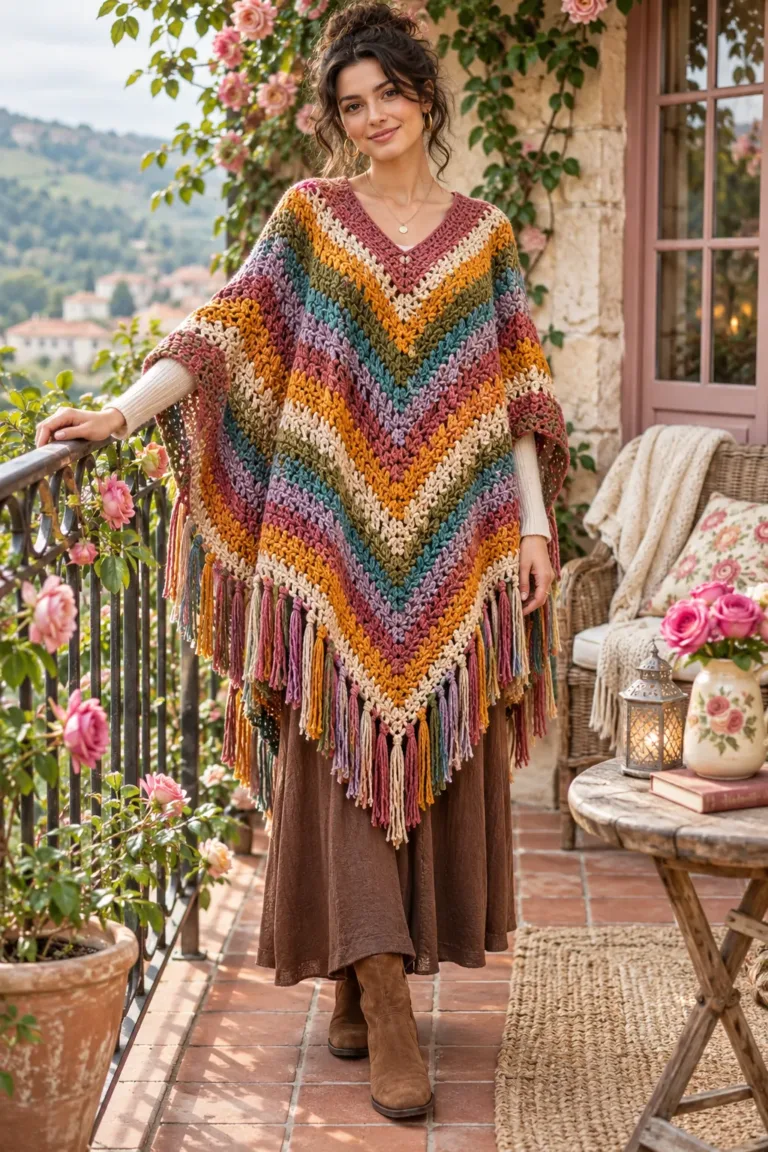
Plan yarn by testing a complete color repeat
Crochet a sample that includes each stitch and color used across one section of the blanket. Weigh or measure yarn for each color before and after the sample. Strong contrast stripes or raised texture can consume a different share of yarn than their size in the photograph suggests.
If 10 cm by 20 cm of a representative section uses 8 g, an 80 cm by 100 cm body would use about 320 g at the same fabric density. Treat the result as an estimate, then compare with the pattern's yarn figure and reserve yarn for finishing.
Beautiful Afghan Squares Crochet Patterns make it possible to build a blanket slowly, one satisfying motif at a time. Before choosing a favorite, look at the center shape, the rhythm of each round, the way colors sit together, and the amount of texture the finished fabric will carry. A thoughtful plan also considers joining, edging, yarn availability, and the mood you want the finished blanket to create.
The six directions below are flexible starting points for a cozy, personal project rather than rigid rules. Test a small square and adapt the details to your own style. Think about the finished use: a couch throw can welcome bolder contrast, while a baby or lap blanket may benefit from a softer palette and a smoother surface.
Make notes beside each sample, including hook size, yarn fiber, finished measurement, and the colors used. Those small records make it easier to repeat the look and keep a larger project consistent. Give yourself permission to combine features from several ideas; the strongest blanket may use one motif, another palette, and a third border.
Beautiful afghan squares crochet patterns
When comparing motifs, judge the sample in natural light and handle it after blocking. A square that looks delicate may become wonderfully substantial after joining, while a highly raised design may need a little extra ease around the edges. Use the same measuring method for every test, and remember that washing can change both drape and size.
Planning these practical details early leaves more room to enjoy the creative choices later. Consider care as well: washable fibers suit everyday throws, and a stable stitch structure helps the finished fabric keep its shape. If a sample curls, try blocking or a looser final round before discarding the idea.
It also helps to think about the rhythm of the finished layout. Repeating one square in a regular grid feels orderly, while rotating or alternating motifs creates movement. Photograph your samples together and view the image from a distance; patterns that seem subtle in your hands can become the strongest feature across a large surface. Keep a spare sample for future color tests, and label leftover yarn so repairs or additions will be easier months later.
Afghan square idea 1
Start with a motif whose center gives the eye a clear place to rest. A compact flower, star, or geometric center can become the visual signature of the blanket when repeated in several colorways. Work one test square first and count the rounds carefully, because a small change in the final round can affect the finished size. For a calm result, keep one color consistent around the outer edge; for a more playful result, alternate the border shade from square to square.
Afghan square idea 2
Use color as the main design tool when the stitch pattern is intentionally simple. Three related shades can create a gentle blend, while a high-contrast center makes each block look more graphic. Lay completed samples on the floor before deciding on the final order. This makes it easier to avoid placing similar colors beside one another and helps you see whether the overall blanket feels warm, airy, vintage, or modern.
Afghan square idea 3
Texture is especially effective when you want the blanket to feel inviting as well as look interesting. Raised rounds, small clusters, and softly ridged stitches catch the light differently from a flat fabric. Keep the texture balanced: a very busy center often benefits from quieter outer rounds. Check your tension as you work, since dense textured stitches can make a square smaller than a smooth sample made with the same yarn and hook.
Afghan square idea 4
A strong joining plan can make separate squares look like one intentional composition. Compare a visible contrast join with a same-color seam, and decide whether you want the lines between motifs to frame each block or recede. Joining as you go can reduce finishing later, but it requires consistent square measurements. If you prefer to arrange everything first, block the completed motifs to matching dimensions before sewing or crocheting them together.
Afghan square idea 5
For a classic blanket feel, let the border repeat a color already used inside the squares. A narrow first round can stabilize the edge, while a wider final round gives the blanket a finished frame. Make a corner sample before committing to many rows, especially if the border includes shells, fans, or other shaping. The best edge is one that lies flat and supports the motifs without competing with them.
Afghan square idea 6
A modern statement blanket can come from limiting the palette while varying the square designs. Choose a shared background shade, then let each motif introduce one accent color. This approach gives the collection unity even when the textures differ. When the squares are finished, photograph or sketch the layout, mark the top edge of each motif, and keep a simple joining order so the final assembly feels deliberate rather than accidental.